From Forest to Workshop: Locally Sourced Materials in Slovenian Craft
Roots Among the Trees
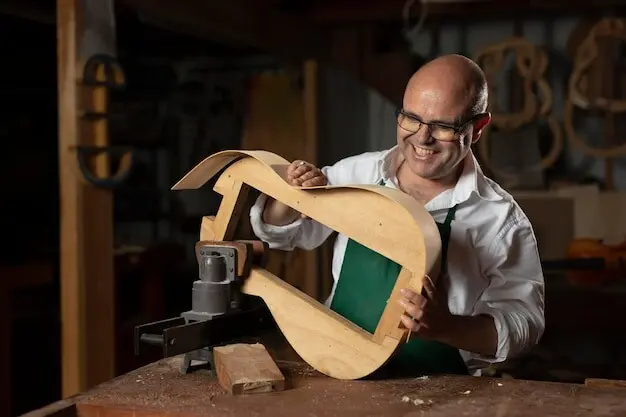
Shaping Wood by Hand and Heart
Hand Tools Tempered by Mountains
Ash handles absorb shock by the river’s bend, while steel forged in nearby valleys keeps a keen, respectful bite. The rhythm is personal and renewable: sharpen, cut, breathe, repeat. Offcuts become wedges, toys, or kindling for the forge, returning energy to the cycle. Working by hand protects subtle grain stories, reduces waste, and allows a maker to sense humidity, hardness, and hidden flaws long before any machine could ever announce a warning buzzer.
Joinery that Holds Through Generations
Kozolec builders teach that structure must cooperate with wind and snow, not defy them. The same philosophy guides furniture: drawbored tenons lock without glue, dovetails resist racking by geometry alone, and wooden pegs swell with seasonal moisture to clamp tighter. Such decisions make repair graceful and longevity practical. Centuries-old barns prove the wisdom, creaking gently yet standing true, inspiring makers to shape joints that breathe and endure while conserving precious adhesive and metal fasteners.
Stone, Clay, Wool, and Fiber in Dialogue
Fire and Iron from Mountain Valleys
Charcoal, Air, and Heat That Works Clean
Beech charcoal burns evenly and hot, offering a predictable bed where color cues guide tempering. Bellows or carefully tuned blowers keep oxygen steady, while quenching oils from linseed or canola reduce harsh fumes. The process favors attention over brute force, and results in edges that bite without brittleness. When your fuel, steel, and handle wood all trace short paths to the forge, quality feels less like luck and more like well-planned proximity.
Hardware for Structures that Breathe
Hand-forged hinges, hasps, and nails cooperate with wooden movement instead of fighting it. Slightly tapered nails marry oak and larch with just enough grip to adjust as boards swell and shrink. Blackened finishes from controlled scale, beeswax, and heat resist rust without synthetic coatings. This hardware does not shout; it supports. When doors swing true through winter storms and summer heat, you sense the wisdom of materials chosen to coexist rather than dominate.
A Hammer Passed from Grandfather to Granddaughter
In a valley workshop, a granddaughter inherits a hammer with a hornbeam handle blackened by three generations of palms. She traces pits along the face and imagines each strike that tempered a new edge or repaired a farm gate. The handle is refinished with beeswax from a neighbor, the head trued on a local stone. That continuity is not sentimental accessory; it is the durable architecture of craft powered by nearby relationships.
Bees, Color, and Natural Finishes
Design Guided by Landscape and Season
Community, Transparency, and Your Turn