
Where Craft Endures and Style Evolves
Hand, Heart, and Heritage
Designers Collaborating with Masters
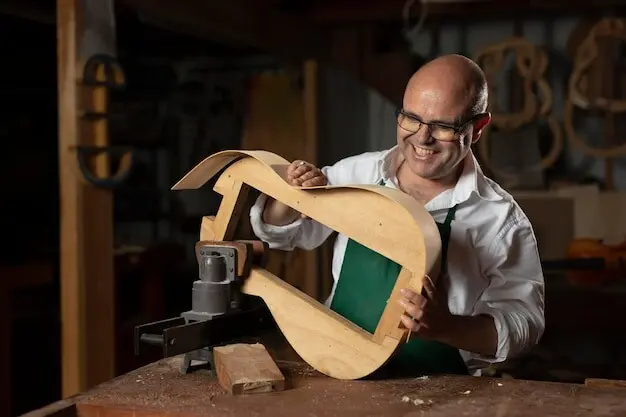
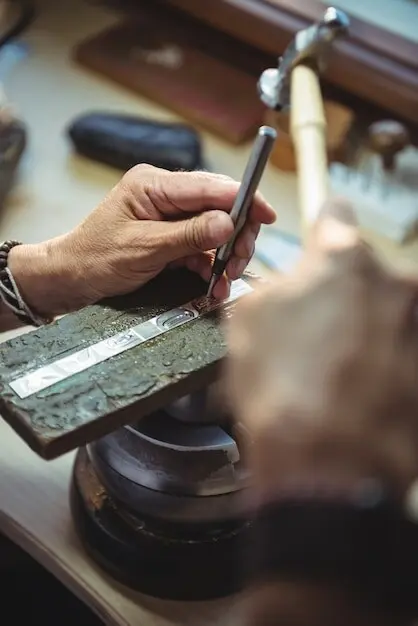
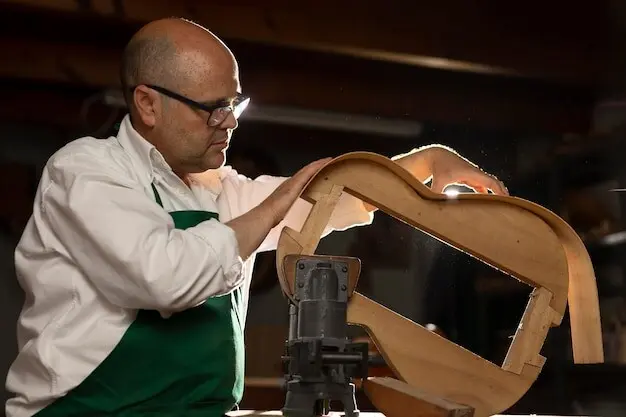
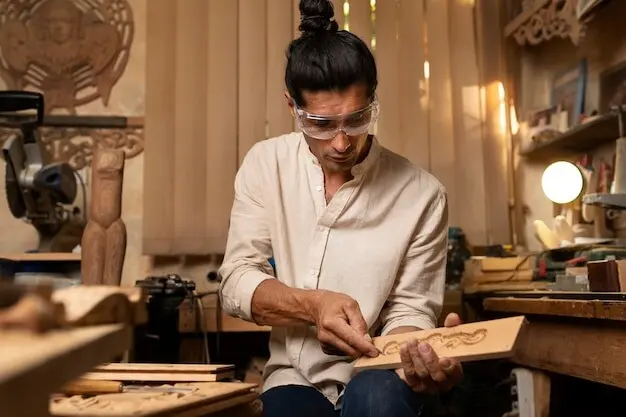
Materials that Speak Slovenian
Time-Tested Techniques, New Uses
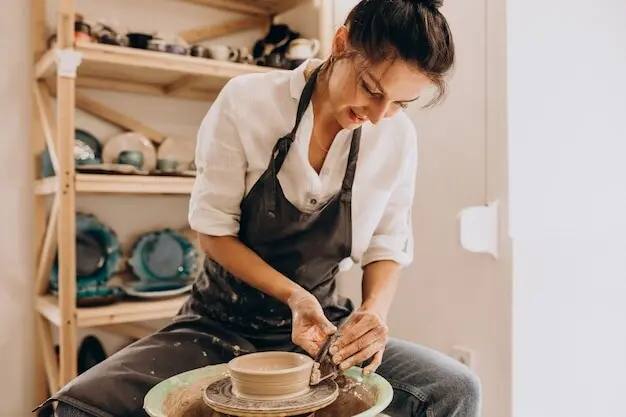
Stories from Workshops and Studios
01
The Apprentice Who Saved a Pattern
During a long evening of trial, a young lacemaker paused before a stubborn corner. She closed her eyes, imagined the cadence of her grandmother’s bobbins, and inverted two twists no diagram suggested. The threads relaxed, corners sat sinless, and the studio applauded softly. That recovery became standard, named for her, and carried forward in new pieces—an elegant reminder that memory and nerve, not just instruction, often keep difficult beauty alive and generous.
02
A Furnace Pause at Dawn
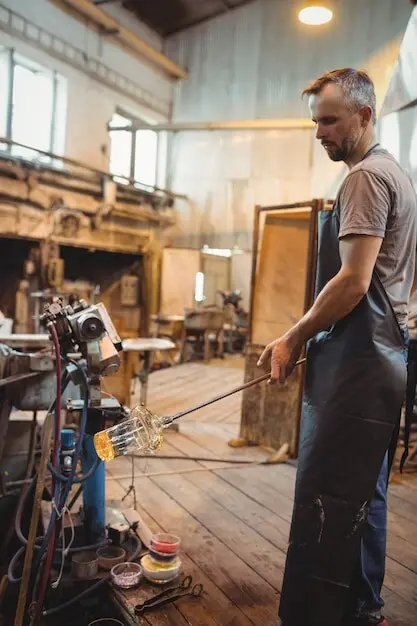
In Rogaška, a glassmaster steps outside as night releases its hold. He warms stiff fingers on the furnace mouth, then watches mist lift over pines. Back inside, a small adjustment to temperature and angle spares a dozen pieces from microscopic stress. No manifesto, only quiet recalibration learned from seasons. Later, a tumbler rings true on a marble slab, a bright, convincing note that tells you patience still conducts this orchestra of fire.
03
The Boot Last with Two Lives
In Žiri, an old last returned scuffed and loyal from mountains. Rather than discard it, the shoemaker skimmed edges, patched hollows, and sharpened the toe spring by a hair. That revised form birthed a new line, kinder on descents, steadier on roots. Customers wrote back months later, speaking of fewer blisters and bolder routes. The last received a second name, a second story, and hung above the bench like a quiet guardian.
How to Support and Take Part
Questions to Ask Before You Buy
Ask who made the piece and how much time each step required. Learn which forests supplied the wood and how finishes can be renewed. Inquire about spare parts, repair pathways, and end-of-life plans. Does the company pay apprentices fairly? Are materials regionally traceable? The answers reveal whether you’re buying an object or adopting a relationship—one that grows kinder, more knowledgeable, and more resilient with each use, season, and thoughtful, well-timed maintenance ritual.
Join the Journey
Subscribe for studio letters, behind-the-scenes notes, and early invitations to visits or small releases. Share photographs of your objects in use, especially repairs that added character. Comment with questions our next makers’ roundtable should address, and nominate workshops we should meet. Attend Ljubljana’s design biennial or local craft days, then write back with impressions. Your participation shapes coverage, strengthens collaborations, and ensures that careful work keeps meeting engaged, joyful hands year after year.
Your Home as a Small Museum
Curate rooms that tell stories through texture and function rather than accumulation. Pair a hand-thrown pitcher with everyday tumblers, hang a woven shade above a simple table, and keep a small note about the maker nearby. Celebrate repairs like badges of continuity. Rotate pieces seasonally to rest materials and refresh attention. When guests ask, answer with names, places, and processes, turning hospitality into a tour of patience, humility, and practical, generous beauty.